Brick Chimney Repair Solutions in Pittsburgh, Pennsylvania
Restoring Chimneys to Optimal Condition
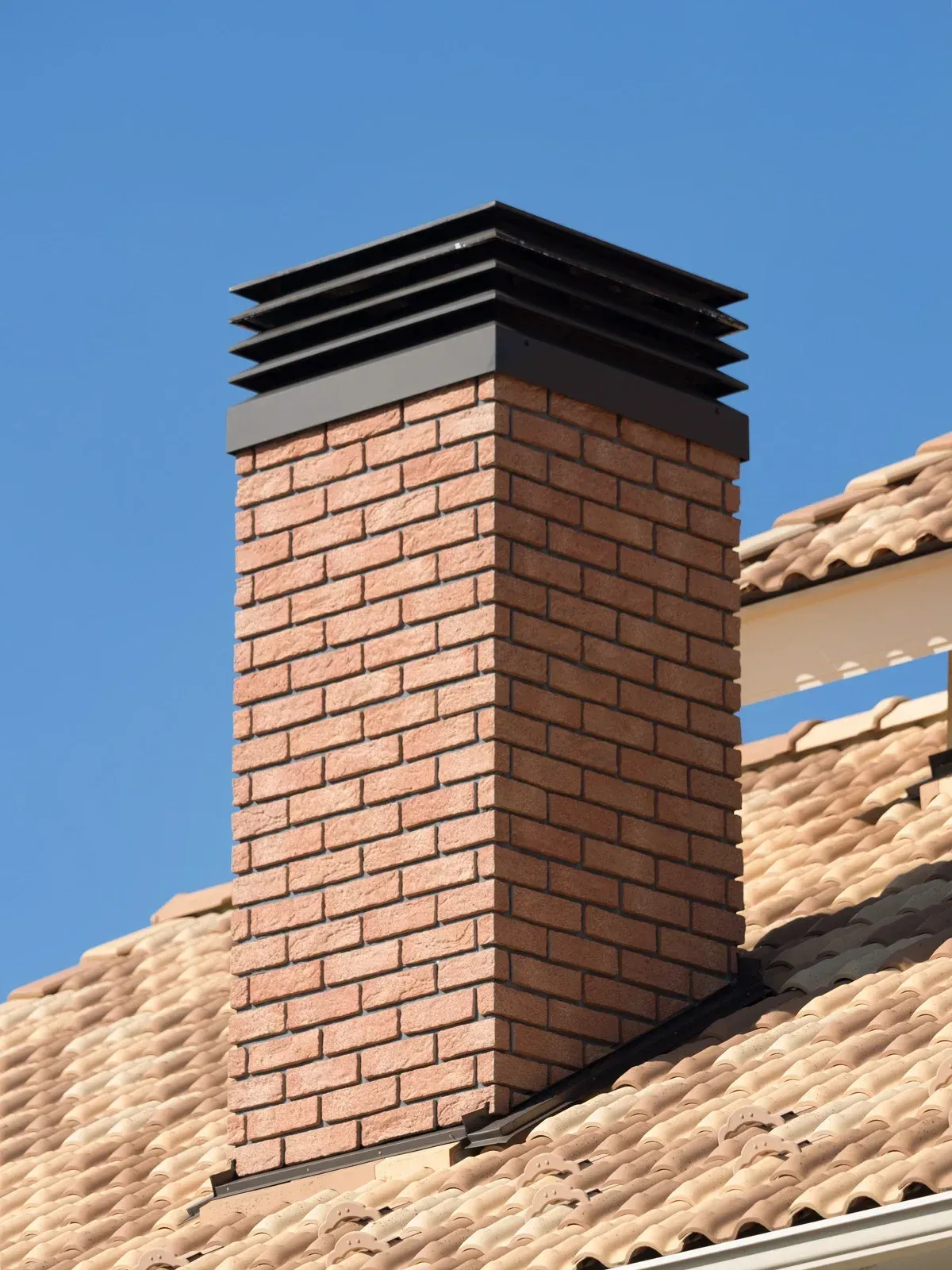
At Roof DR, we recognize that years of exposure to heat, moisture, and weather conditions can compromise the structural integrity of brick chimneys. We provide reliable brick chimney repair services aimed at restoring stability, preventing long-term damage, and preserving the value of your property. With over 20
years of experience serving homeowners in Pittsburgh, Pennsylvania, and surrounding areas, we take a methodical approach to each repair, ensuring visible improvement and long-lasting results while minimizing disruption to the process. Our repair process begins with a comprehensive inspection of the chimney’s structure, from base to crown. We present our findings in clear, straightforward terms, ensuring clients remain informed throughout the entire process.
Our services address a variety of issues, including water leaks, deteriorating bricks, missing mortar, leaning structures, and damaged caps, which can compromise both safety and chimney performance. The brick chimney repair process involves careful attention to exterior surfaces, interior joints, and the uppermost section of the stack.
OUR SERVICES include:
Add Title
New Paragraph
Add Title
New Paragraph
Add Title
New Paragraph
Add Title
New Paragraph
Our Brick Chimney Repair Services
Cracked Brick Repair and Full Replacement
We restore the structural integrity of chimney walls by replacing bricks that show signs of cracking, wear, or crumbling. Our team carefully removes weakened bricks and replaces them with strong, durable alternatives, ensuring the new bricks match the original in texture, size, and strength. The replacement process ensures a seamless blend with the existing structure while maintaining resilience against extreme temperatures and daily use.
Chimney Crown Surface Repair and Moisture Control
We repair damaged chimney crowns that allow water intrusion, restoring their proper shape and functionality. Our services include sealing gaps, applying moisture barriers, and reshaping the crown to ensure water flows away from the structure, preventing pooling and subsequent damage. These measures protect the chimney from water-related deterioration while ensuring continued efficiency.
Mortar Joint Renewal and Structural Reinforcement
Our team restores mortar joints that have weakened over time due to age, high temperatures, or water infiltration. We remove damaged or softened mortar and replace it with fresh, high-quality material that matches the original chimney’s appearance. This repair enhances the strength of the brick connections and prevents water from penetrating the stack. We also assess surrounding joints to identify potential issues before they escalate.
Cap Replacement and Enhanced Weather Protection
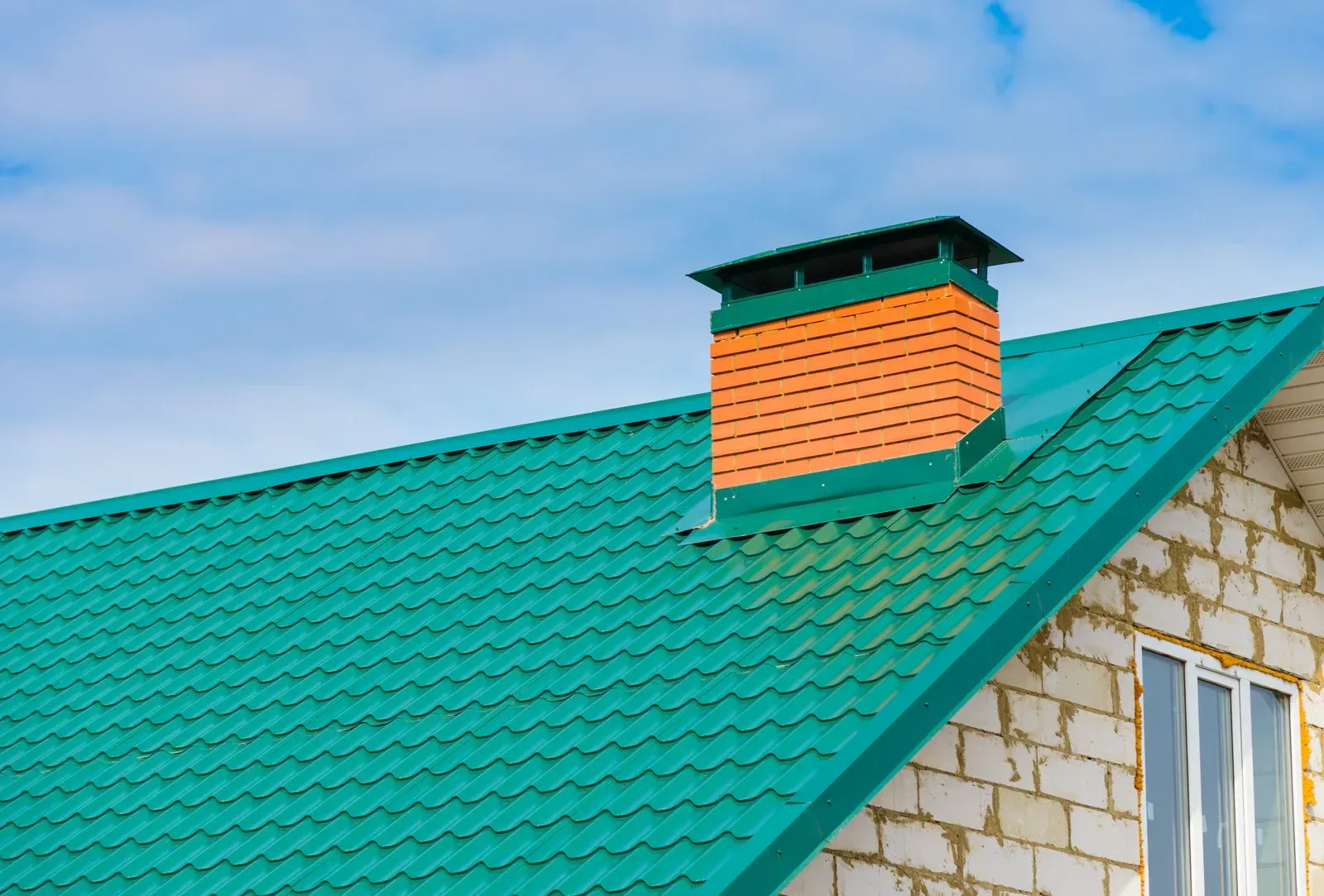
We replace deteriorating or damaged chimney caps that have been affected by age or severe weather conditions. Our service includes fitting new, durable caps that not only prevent debris and animals from entering but also allow smoke to escape freely. The new caps are designed to withstand harsh weather, resist rust, and provide robust protection for your chimney.
Revitalize Your Chimney with Expert Care
When choosing Roof DR for your brick chimney repair needs in Pittsburgh, Pennsylvania, and surrounding areas, you can expect transparent communication, proven techniques, and professional expertise. We explain the necessary repairs, their significance, and how they enhance the chimney’s strength, ensuring you are informed throughout the process. Our team arrives equipped with the right tools and provides clear, competitive quotes. Contact us today to discuss your chimney repair requirements.
Frequently Asked Questions
What are the most common signs that a brick chimney needs repair?
Several warning signs indicate that a chimney may need professional repair. Homeowners often notice cracked or crumbling mortar joints, loose bricks, white powdery residue (efflorescence), or pieces of brick falling near the chimney base. Water leaks around the fireplace or ceiling near the chimney are also common indicators. In Pittsburgh’s freeze-thaw climate, moisture trapped in masonry expands and causes deterioration over time. Addressing these issues early prevents structural damage and helps avoid more expensive chimney rebuilds later.
Why do brick chimneys deteriorate faster in Pittsburgh’s climate?
Pittsburgh experiences frequent freeze-thaw cycles throughout the year, which can be particularly harsh on masonry structures. When moisture enters small cracks in brick or mortar, it expands as temperatures drop and freezes. This expansion gradually weakens the masonry, causing cracks, spalling bricks, and deteriorating mortar joints. Over time, these small issues can compromise the chimney’s structural stability. Proper waterproofing, tuckpointing, and regular inspections are essential to protect chimneys from the long-term effects of regional weather conditions.
What is tuckpointing and when is it necessary for chimney repair?
Tuckpointing is a masonry repair technique used to restore damaged or deteriorating mortar joints between bricks. Over time, mortar erodes due to weather exposure, leaving gaps that allow moisture to penetrate the chimney structure. During tuckpointing, the damaged mortar is carefully removed and replaced with new mortar that matches the existing masonry. This process strengthens the chimney, improves its appearance, and prevents water damage. It’s often recommended when mortar joints become cracked, loose, or visibly recessed.
How serious are small cracks in a chimney’s brickwork?
Even small cracks in brickwork should not be ignored because they can quickly worsen over time. Minor cracks allow moisture to seep into the masonry structure, which can lead to brick deterioration, internal water damage, and mold growth. In colder climates like Pittsburgh, freeze-thaw cycles can widen cracks and cause bricks to break apart. Repairing cracks early through sealing, tuckpointing, or masonry replacement can prevent structural issues and extend the lifespan of the chimney.
Can chimney damage lead to water leaks inside the home?
Yes, damaged chimneys are a common source of water intrusion in homes. Cracked bricks, missing mortar, damaged flashing, or deteriorated chimney crowns can allow rainwater to enter the structure. Once water penetrates the chimney, it may travel down into ceilings, walls, or attic spaces. Homeowners sometimes notice stains near the fireplace or musty odors as early signs. Professional chimney repair addresses these vulnerabilities and often includes waterproofing measures to prevent future moisture problems.
What is a chimney crown and why is it important?
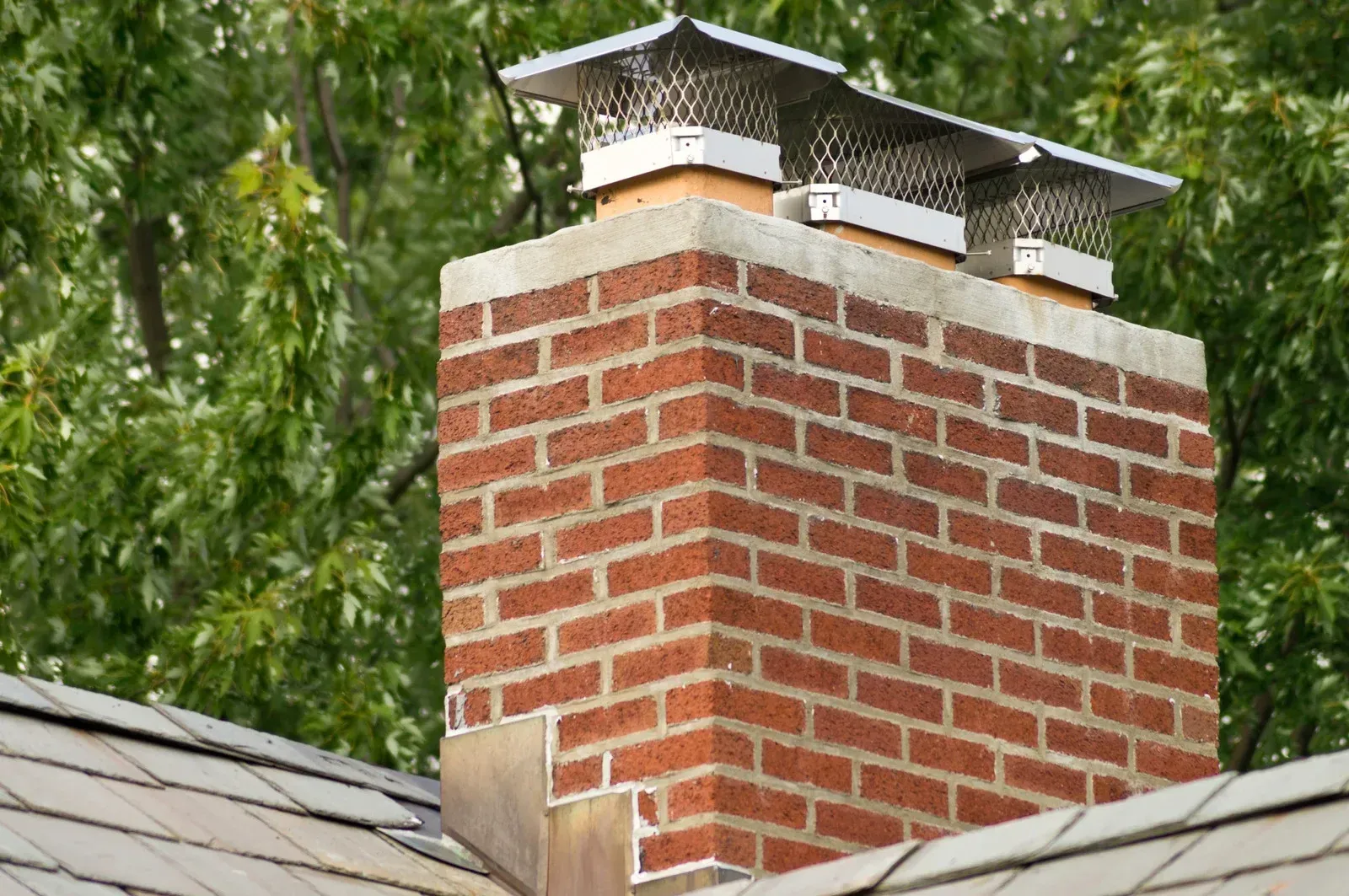
The chimney crown is the concrete or masonry layer located at the top of the chimney that protects the structure from water infiltration. Its primary purpose is to direct rainwater away from the chimney opening and masonry surfaces. If the crown becomes cracked or deteriorated, water can enter the chimney and cause internal damage. Repairing or sealing a damaged chimney crown helps prevent moisture penetration, brick deterioration, and expensive structural repairs.
How often should a brick chimney be inspected?
Experts generally recommend having a chimney professionally inspected at least once a year, especially if the fireplace is used regularly. Regular inspections help identify small issues like cracked mortar, loose bricks, or minor leaks before they become major structural problems. For homeowners in Pittsburgh, annual inspections are particularly important due to the region’s harsh weather conditions. Preventive maintenance ensures the chimney remains safe, functional, and structurally sound for years.
Is it better to repair a chimney or completely rebuild it?
The answer depends on the extent of the damage. Minor issues like cracked mortar joints or a damaged crown can usually be repaired through tuckpointing or targeted masonry repairs. However, if the chimney structure is severely deteriorated or leaning, a partial or full rebuild may be necessary. A professional inspection helps determine the safest and most cost-effective solution. In many cases, timely repairs can prevent the need for a full rebuild.
What role does chimney flashing play in preventing leaks?
Chimney flashing is the metal barrier installed where the chimney meets the roof. Its purpose is to create a waterproof seal that prevents rainwater from entering the roofline. Over time, flashing can loosen, rust, or separate from the masonry due to weather exposure. When flashing fails, water may leak into the attic or ceilings. Proper flashing installation and repair are essential components of a comprehensive chimney repair process.
Can chimney repairs improve fireplace safety?
Yes, repairing a damaged chimney significantly improves fireplace safety. Cracked masonry or deteriorated mortar can allow heat and gases to escape into surrounding walls or attic spaces. Structural damage may also create blockages or airflow problems in the flue. Professional chimney repairs restore the integrity of the structure, ensuring proper ventilation and reducing the risk of fire hazards or carbon monoxide exposure.


Neque porro quisquam est qui dolorem ipsum
Lorem ipsum dolor sit amet, consectetur adipiscing elit. Proin sed consectetur sapien. Morbi eget lobortis lectus, id ullamcorper turpis. Pellentesque in efficitur leo. Aliquam erat volutpat. Pellentesque at magna ut libero finibus suscipit vel vitae diam. Vestibulum leo metus, facilisis in metus vitae, convallis hendrerit tortor. Suspendisse volutpat convallis malesuada. Sed sagittis mauris pellentesque arcu pulvinar blandit. Sed eu blandit odio. Nulla interdum arcu sit amet turpis suscipit, id tincidunt augue auctor. Vestibulum fermentum maximus dui, a sodales metus aliquam non. Morbi faucibus, est ac consequat elementum, nulla turpis venenatis neque, blandit fermentum orci mauris vitae magna.
What our customers have to say...
Testimonials
Adam showed up on time, did the job quickly, and was polite and professional. Would definitely use again. Adam showed up on time, did the job quickly, and was polite and professional. Would definitely use again.
Elizabeth R.
Adam showed up on time, did the job quickly, and was polite and professional. Would definitely use again. Adam showed up on time, did the job quickly, and was polite and professional. Would definitely use again.
Patricia H.
Adam showed up on time, did the job quickly, and was polite and professional. Would definitely use again. Adam showed up on time, did the job quickly, and was polite and professional. Would definitely use again.
Elizabeth R.
Adam showed up on time, did the job quickly, and was polite and professional. Would definitely use again. Adam showed up on time, did the job quickly, and was polite and professional. Would definitely use again.
Patricia H.